TLDR: PepsiCo spent years pushing snack prices higher, shrinking packages, and testing how much its customers would tolerate. The strategy delivered impressive short-term revenue growth while consumer loyalty deteriorated. Walmart warned the company, competitors gained ground, and Frito-Lay’s financial performance eventually collapsed. Now PepsiCo is cutting prices, spending money to recover lost customers, and attempting to repair damage that its own pricing strategy helped create.
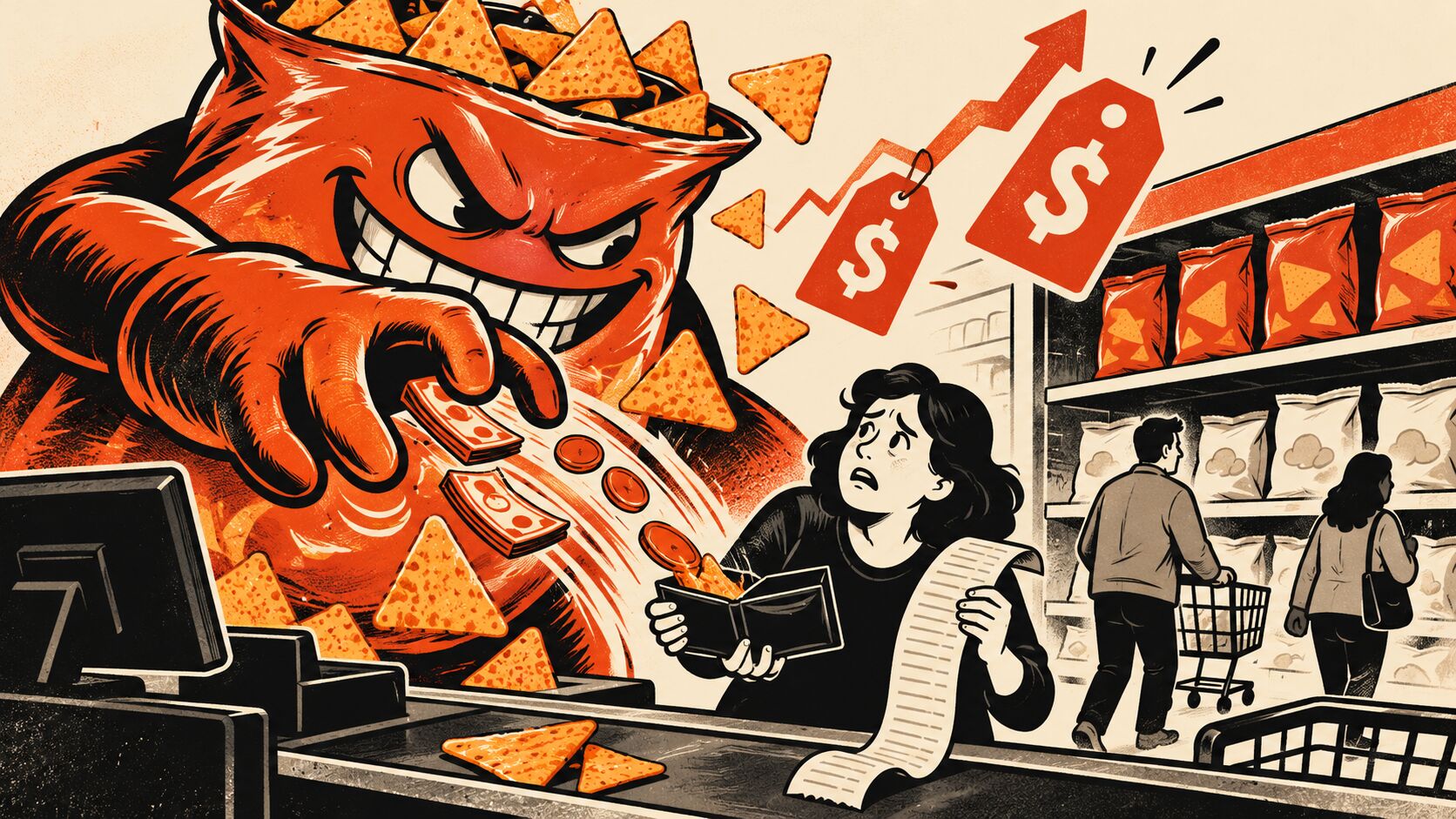
Seven dollars for a bag of Doritos. Apparently, somewhere inside PepsiCo, executives convinced themselves this was a perfectly reasonable proposition.
For years, the snack giant treated its customers like an unlimited source of incremental revenue. Raise prices. Reduce package weights. Adjust promotions. Extract another few percentage points. Then do it again.
The strategy worked wonderfully, right up until consumers remembered they could buy something else.
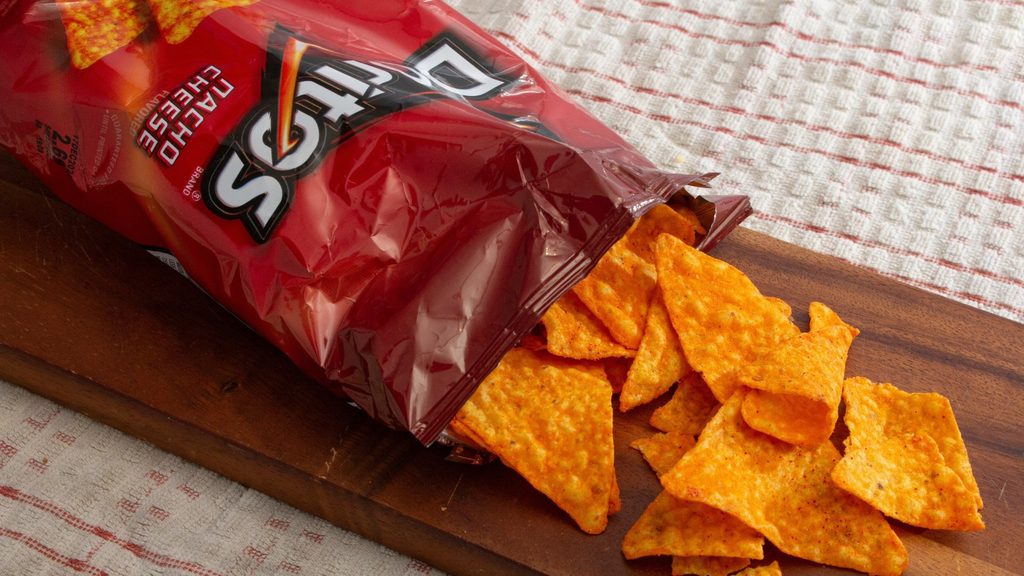
An April 2026 Bloomberg investigation revealed that Walmart had repeatedly warned PepsiCo about excessive snack prices. Doritos prices at the retailer had climbed nearly 50% since 2021, while some Frito-Lay products exceeded $7 per bag. Customers were defecting, competitors were gaining shelf space, and executives resisted the price reductions needed to stop the bleeding.
By the time PepsiCo finally reversed course, Frito-Lay had missed internal annual revenue targets by more than $1 billion in each of two consecutive years, according to Bloomberg’s sources.
This wasn’t simply an inflation problem. It was a spectacular failure of long-term brand management.
The Strategy Started Long Before COVID
PepsiCo’s aggressive snack pricing wasn’t invented during the pandemic.
A former member of Frito-Lay’s brand and marketing finance team described to RippedMeOff how the company’s revenue-management organization was implementing staggered price increases and package-weight reductions years earlier.
The approach was associated with Price Pack Architecture, or PPA, a revenue-management framework used to optimize package sizes, pricing, and promotional strategies. According to interviews with Frito Lay marketing insiders, Eric Otto’s work in revenue management was behind the development of that approach.
Internally, according to firsthand accounts, the strategy faced opposition from marketing and strategy employees concerned about long-term brand equity and consumer loyalty. Those employees believed repeated price increases and weight reductions would eventually undermine the brands that marketing teams had spent decades strengthening.
The business tension is clear: revenue management was focused on extracting more money from existing purchasing behavior, while brand management needed to preserve the consumer loyalty that made those purchases possible.
These aren’t necessarily incompatible objectives. PepsiCo’s apparent failure was treating the first as though it could be pursued indefinitely without damaging the second.
COVID provided additional cover. Genuine increases in transportation, labor, ingredients, and packaging costs made price adjustments understandable. But the resulting inflationary environment also gave PepsiCo an opportunity to accelerate price increases dramatically.
PepsiCo Mistook Higher Prices for Business Growth
The financial results reveal just how dependent Frito-Lay became on charging more rather than selling more.
In 2022, Frito-Lay North America reported 17% organic revenue growth. Virtually all of it came from effective net pricing, while organic volume contributed nothing.
In 2023, effective net pricing contributed another 10 percentage points to organic revenue growth. Volume contributed negative one percentage point.
In plain English, PepsiCo was generating impressive revenue growth without convincing more consumers to buy its products.
For a while, the numbers looked fantastic. Executives could point to higher revenue, substantial profits, and the supposed strength of Frito-Lay’s brands.
But customers were already pulling back.
By 2024, Frito-Lay North America’s unit volume had declined 2.5%, revenue had fallen, and operating profit was down approximately 7%.
The growth engine was running out of fuel. Unfortunately for PepsiCo, that engine had been burning consumer goodwill.
Walmart Finally Had Enough
Nothing exposes the arrogance of PepsiCo’s approach quite like its relationship with Walmart.
According to Bloomberg, Walmart spent more than a year warning PepsiCo that snack prices were too high. Consumers were switching to cheaper private-label alternatives and competitors such as Takis.
Walmart eventually reduced Frito-Lay’s shelf space.
Think about how badly a dominant snack manufacturer has to mismanage its pricing for Walmart to start giving valuable shelf space to competitors.
And still, according to Bloomberg’s reporting, PepsiCo executives resisted significant price reductions because of the immediate revenue consequences.
Instead, management experimented with other approaches, including promotions and package changes.
The company seemingly wanted every solution except admitting that its prices had become unreasonable.
Meanwhile, Europe had already delivered a public warning. In January 2024, Carrefour began removing PepsiCo products from stores in four countries, explicitly criticizing unacceptable price increases. The dispute involved beverages as well as snacks and reflected broader PepsiCo pricing practices, not necessarily the same North American Frito-Lay decisions.
But the message was unmistakable: even enormous retailers were losing patience.
Ramon Laguarta Had Plenty of Warning
PepsiCo CEO Ramon Laguarta cannot reasonably claim the company’s pricing problems emerged without warning.
During a July 2024 earnings call, Laguarta acknowledged that consumers needed better value after several years of inflation. Yet he resisted a broad pricing reset, preferring targeted adjustments.
That response looks increasingly inadequate in hindsight.
Frito-Lay’s volume was deteriorating. Retailers were raising concerns. Customers were discovering alternatives. Nevertheless, substantial price reductions remained elusive.
Bloomberg subsequently reported that executives had been discussing the pricing problem since at least 2024, while resisting the immediate financial hit associated with lowering prices.
In September 2025, activist investor Elliott Investment Management disclosed a $4 billion PepsiCo position and demanded significant strategic and operational changes. Elliott’s intervention concerned the entire company, including serious problems in beverages, but it also brought renewed pressure to address North American foods.
By December, PepsiCo was announcing plans to improve affordability, increase brand investment, close facilities, and simplify its product portfolio.
In February 2026, the company finally announced snack price reductions of up to nearly 15%.
Apparently, customers needed to stop purchasing, Walmart needed to surrender shelf space to competitors, and an activist investor needed to arrive before PepsiCo could fully appreciate that people didn’t want to spend a small fortune on tortilla chips.
The Financial Damage Is Considerable
PepsiCo’s financial statements show how costly the deterioration became.
Under its revised North American foods reporting structure, which includes Frito-Lay and Quaker, annual operating profit declined from approximately $7.25 billion in 2023 to $6.17 billion in 2025.
That’s a reduction of more than $1 billion in annual operating profit, or approximately 15%, while revenue declined less than 2%.
Other factors, including Quaker-related issues, restructuring expenses, and operating costs, contributed to these results. The figures shouldn’t be mistaken for a precise calculation of losses caused exclusively by snack pricing.
Nevertheless, the deterioration is impossible to ignore.
And the recovery isn’t free.
PepsiCo must now restore competitive prices, invest in marketing, rebuild purchasing frequency, and support improved retail distribution.
Retailer discounts, promotional allowances, and other trade incentives can reduce net revenue. Advertising and merchandising create additional costs. The company does not disclose enough detail to calculate exactly how much it is spending to reacquire lost snack customers.
By the third quarter of 2026, North American foods volume had stabilized, but reported operating profit was still down 13% year over year. PepsiCo reported a 12% decline on a core constant-currency basis.
The business is showing signs of recovery. Its former profitability, however, has not returned.
Winning Back Customers Is Harder Than Driving Them Away
Perhaps the most extraordinary failure here is how casually PepsiCo appears to have treated decades of accumulated brand equity.
Doritos didn’t become one of America’s most recognizable snack brands because someone designed a clever spreadsheet.
It became successful through product development, advertising, distribution, consistent consumer experiences, and millions of people repeatedly choosing it over competing products.
That habitual purchasing behavior is enormously valuable.
But PepsiCo repeatedly challenged consumers to reconsider those purchases.
And once someone discovers that a cheaper alternative is perfectly acceptable, lowering Doritos prices doesn’t automatically restore the old relationship.
PepsiCo may now need to spend heavily just to regain purchasing occasions it previously enjoyed without extraordinary promotional support.
That’s what makes the economics of this strategy so damning. The original financial gains arrived quickly. The damage accumulated slowly. And the cost of reversing that damage may extend for years.
PepsiCo’s Customers Were Never an Unlimited Revenue Opportunity
The most disturbing aspect of this episode isn’t that PepsiCo raised prices during inflation. Many businesses had legitimate reasons to do so.
It’s that the company continued pushing pricing despite growing evidence that consumers were reaching their limits.
Management had sales data, retailer feedback, declining volume figures, and eventually direct pressure from shareholders.
Still, it took years to implement the sort of pricing correction the situation demanded.
This is what happens when corporate leadership confuses harvesting brand equity with creating it.
PepsiCo spent decades building consumer loyalty, then acted as though that loyalty existed primarily to be monetized. The company discovered, painfully and expensively, that customers have limits.
Now it’s spending money to recover the business it took for granted.
PepsiCo didn’t just push Doritos prices too high. It pushed its customers toward competitors, then discovered that winning them back might cost more than keeping them happy in the first place.
And that’s an astonishingly expensive lesson for one of the world’s largest consumer-products companies to learn.
References
- Bloomberg, April 7, 2026: Doritos at $7 a Bag Ended Up Costing PepsiCo Billions
- PepsiCo SEC Form 10-K, Fiscal 2023
- PepsiCo Fourth Quarter and Full-Year 2024 Results
- Reuters, January 4, 2024: Carrefour Pulls PepsiCo Products Over Price Hikes
- Food Dive, July 15, 2024: PepsiCo CEO Sees Lower Prices Across Parts of Its Snacking Portfolio
- PepsiCo, December 8, 2025: Shareholder Value and Turnaround Priorities
- PepsiCo, February 3, 2026: Snack Price Reduction Announcement
- PepsiCo SEC Form 10-K, Fiscal 2025
- PepsiCo Third Quarter 2026 Results